InsightsWorldwide Governance Indicators – looking under the hood of the latest methodology update
Worldwide Governance Indicators – looking under the hood of the latest methodology update
Revealing surprising shifts with real consequences for sovereign credit and AML risk analysis.
Bernhard Obenhuber Jan 08, 2026
How do you measure rule of law, political stability, corruption, and similar country-level institutional factors? For many readers, this may feel like a rhetorical question. The answer seems obvious: go to the World Bank website (Link), download the latest Worldwide Governance Indicators (WGI) dataset, silently thank Daniel Kaufmann and his colleagues for more than two decades of service to the research community, and move on to the next task.
And while you are handing out those thank-you thoughts, it is worth remembering that many other organisations also deserve credit. The WGI are an aggregation of indicators from a wide range of sources, including the World Justice Project, EIU, and others. Their contributions form the backbone of what has become one of the most widely used governance datasets globally.
Industry standard with far-reaching impact
At CountryRisk.io, we are frequent users of the WGI - alongside other governance indicators from complementary sources - in our sovereign credit risk and AML country risk scores. And we are certainly not alone. A quick search on the SSRN research platform for papers referencing the WGI returns around 10,000 results (with the list apparently truncated at that level). It is fair to say that the WGI have become the industry standard for measuring governance in both academic and applied research.
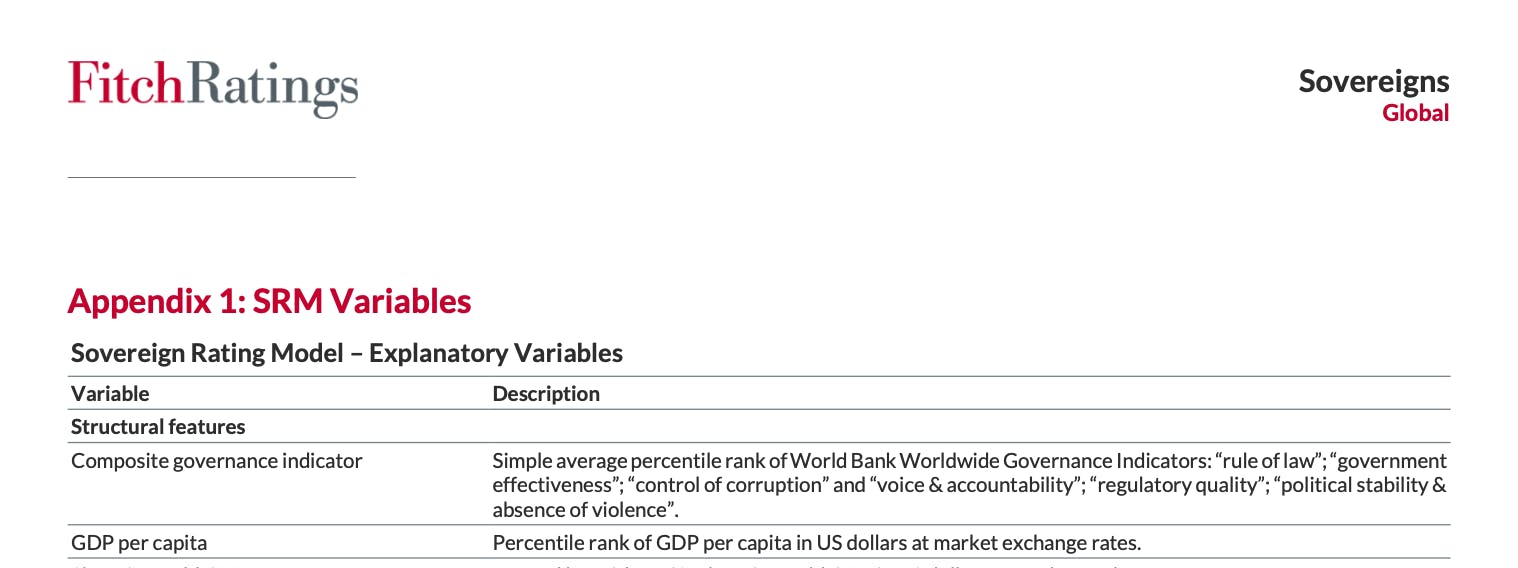
Their importance is not merely academic. One clear example is sovereign credit ratings. Fitch incorporates the WGI into its Sovereign Rating Model (SRM) as a key quantitative input when determining sovereign credit ratings. Changes in WGI scores therefore have real-world implications, including for countries’ borrowing costs.
2025 release surprises
Given this importance, the annual WGI update—typically released in late autumn—matters. In previous years, updating our database and models with the latest WGI data was relatively straightforward and had limited impact on model outputs. The latest release, however, caused more of a stir.
This was not entirely unexpected. To its credit, the World Bank team communicated well in advance that a methodological update was underway. Details were published on the World Bank website and summarised by the authors as follows:
“The 2025 edition of the WGI introduces a set of methodological updates as part of the project’s ongoing improvement process. These include enhancements to data source screening, indicator mapping, and the aggregation model, as well as the introduction of an absolute 0–100 scale anchored to fixed benchmark countries. To ensure full comparability over time, historical estimates have been recalculated back to 1996.”
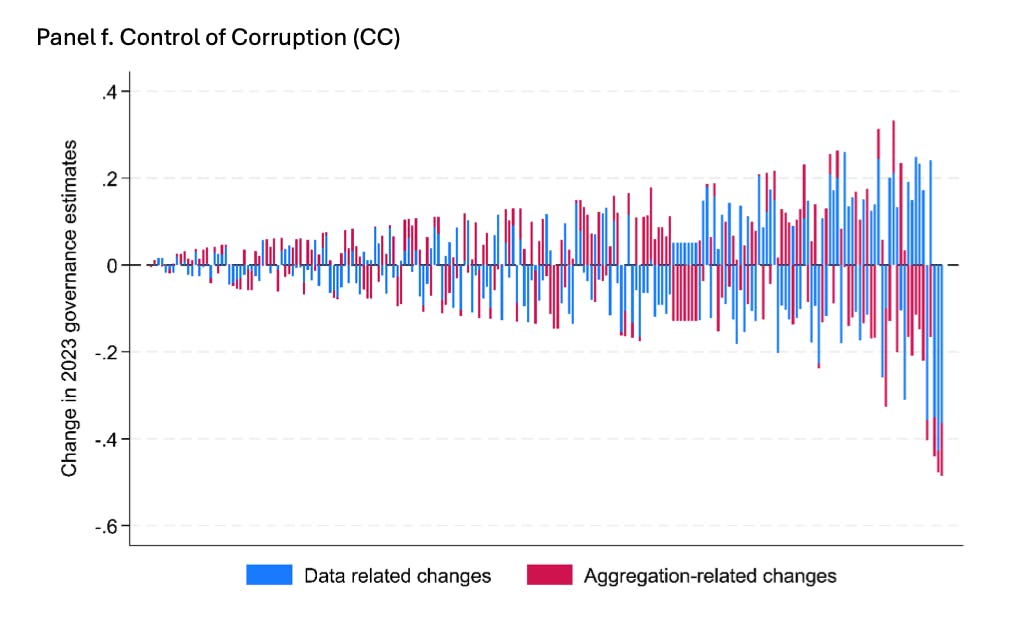
The full paper documents these changes in detail, and Annex 2 provides particularly insightful charts that decompose the effects of the methodology update into two components:
updates to data source selection and indicator mapping; and
updates to the aggregation methodology.
The chart below illustrates the impact for the Control of Corruption indicator across countries. Notably, the authors point out that changes to data sources and mapping account for the larger share of the overall effect.
For an indicator that traditionally ranges between –2.5 and +2.5, the chart suggests meaningful country-by-country changes. This prompted us to take a closer look at the broader impact and to identify which countries were affected most. In this post, we can only share a limited selection of charts—please reach out if you would like to explore the analysis in more detail.
Before diving deeper, one additional point is worth highlighting: the World Bank recalculated the entire historical WGI series using the updated methodology, ensuring internal consistency over time.
Correlations and country-level impacts
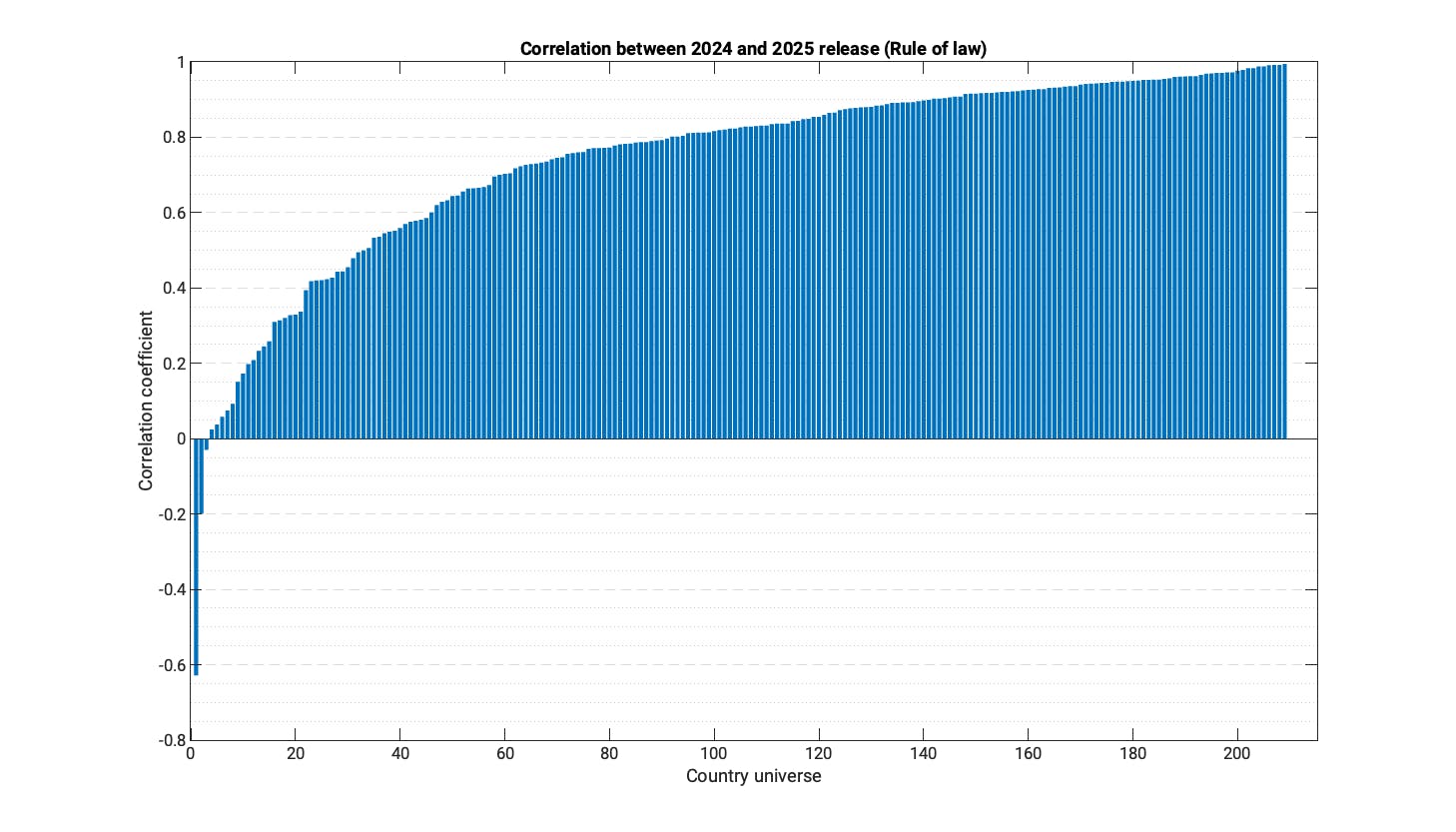
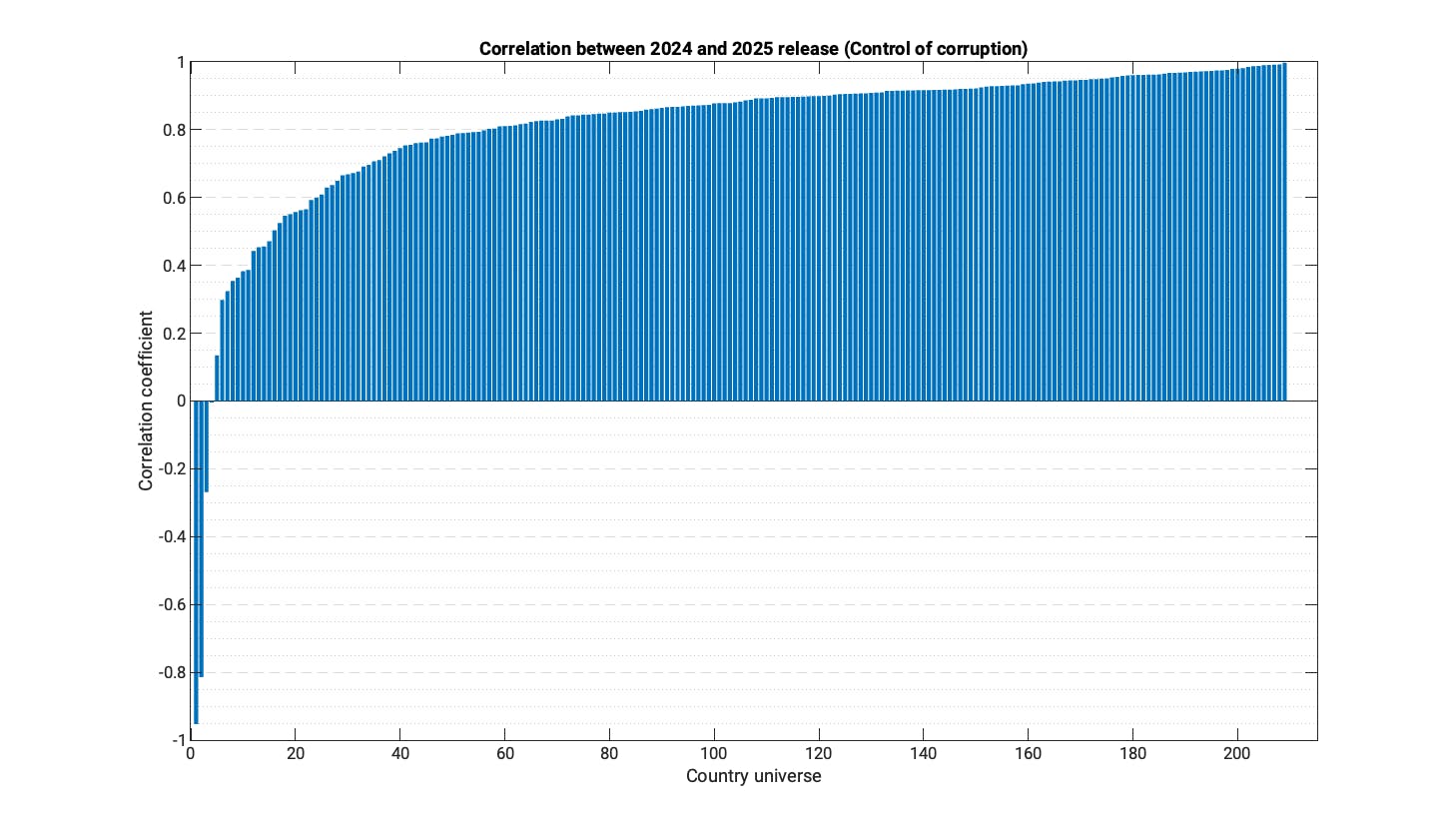
Our first step was to assess the overall impact of the changes. We calculated correlation coefficients for each country over time, comparing indicator values under the previous and the updated methodology. The charts below show the results for Rule of Law and Control of Corruption, sorted by increasing correlation.
One would naturally expect a strong positive correlation. While this is generally the case, we were somewhat surprised to see that correlations are not uniformly high. A non-trivial number of countries exhibit relatively low correlations, and in a few cases even negative correlations. The left-hand side of the charts is therefore particularly interesting.
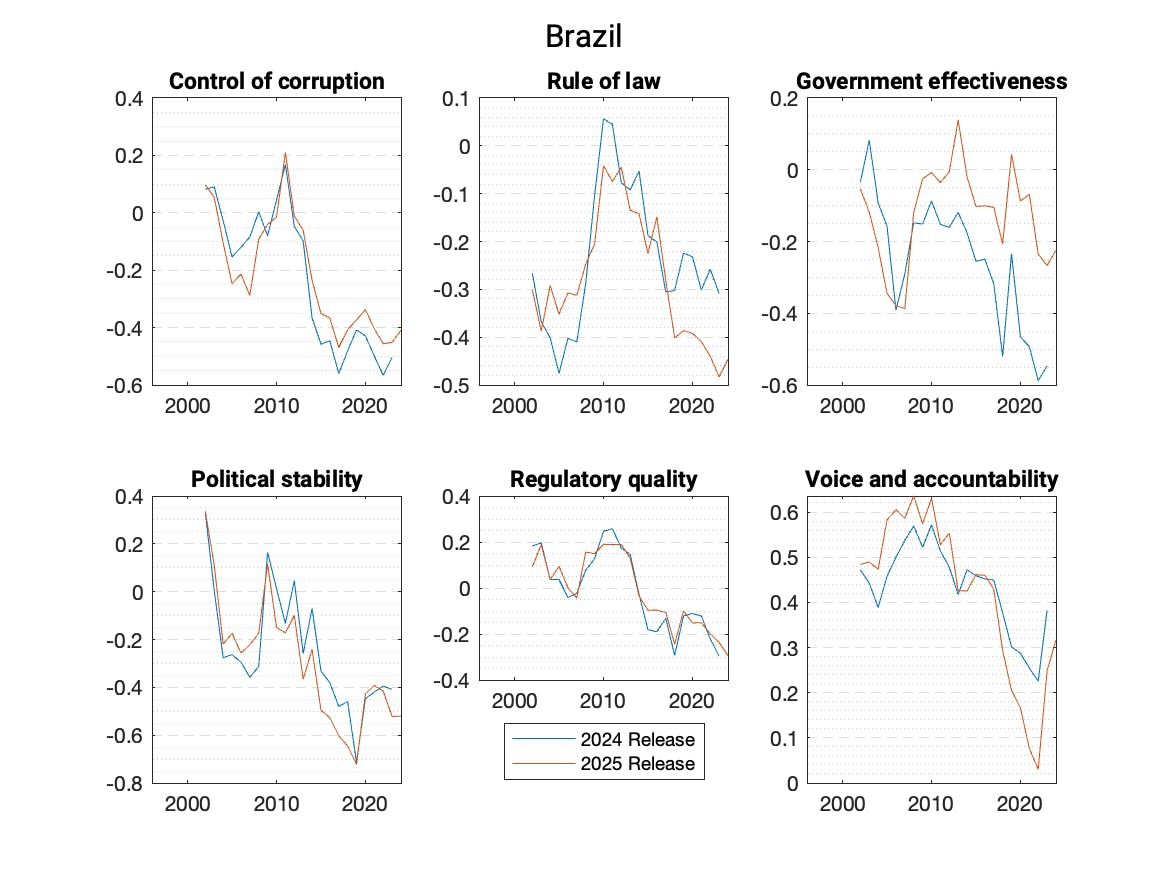
Before focusing on these outliers, we wanted to gain a broader sense of how the methodology update affected countries across all six governance indicators. The chart below shows an example for Brazil. While the regulatory quality series remains closely aligned over time, other indicators display noticeable divergences.
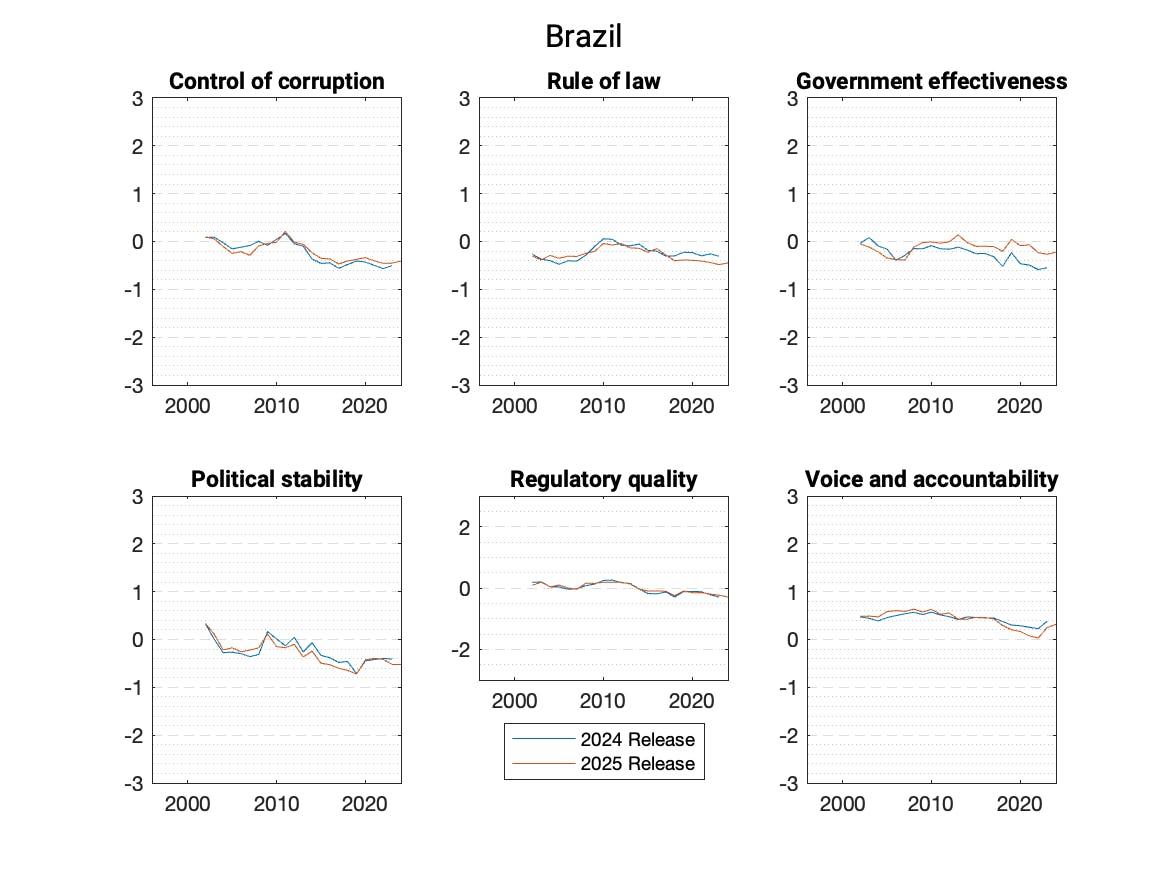
To put these differences into perspective, we then adjusted the y-axis to reflect the full indicator range of –2.5 to +2.5. This makes the results appear less dramatic, but still reveals level shifts and increasing divergence for some indicators, such as government effectiveness.
Who was affected most?
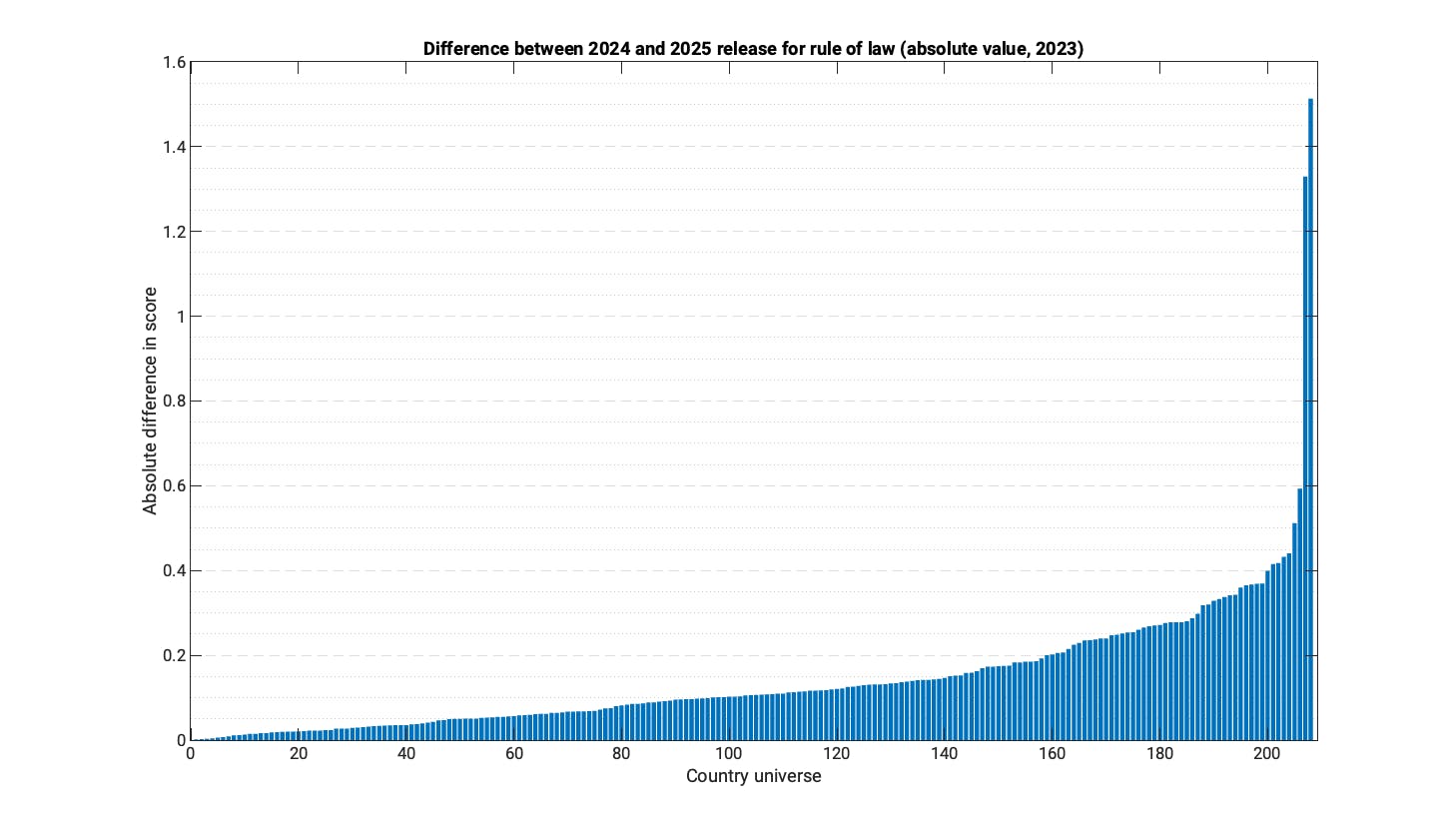
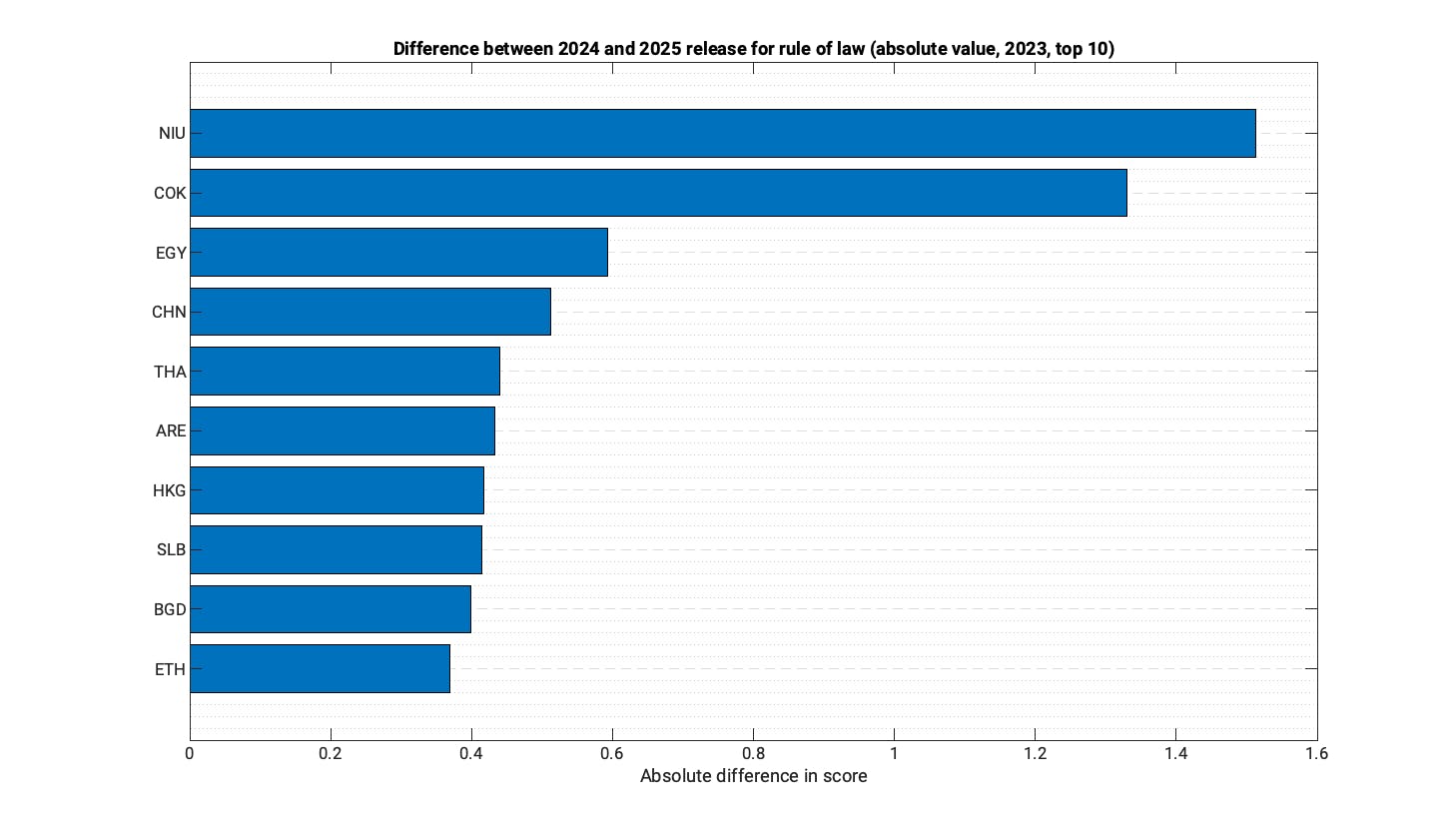
Next, we calculated the absolute difference between the 2023 scores derived from the old and new methodologies, with the aim of identifying the countries most affected in the latest period. This effectively recreates the World Bank’s aggregate chart, but in a way that allows individual countries to be identified. The chart below shows the results for more than 200 countries.
The top ten outliers with the largest absolute changes include Niue and the Cook Islands, but also larger economies such as Egypt and China. Importantly, we focus here on absolute changes, combining both upward and downward shifts.
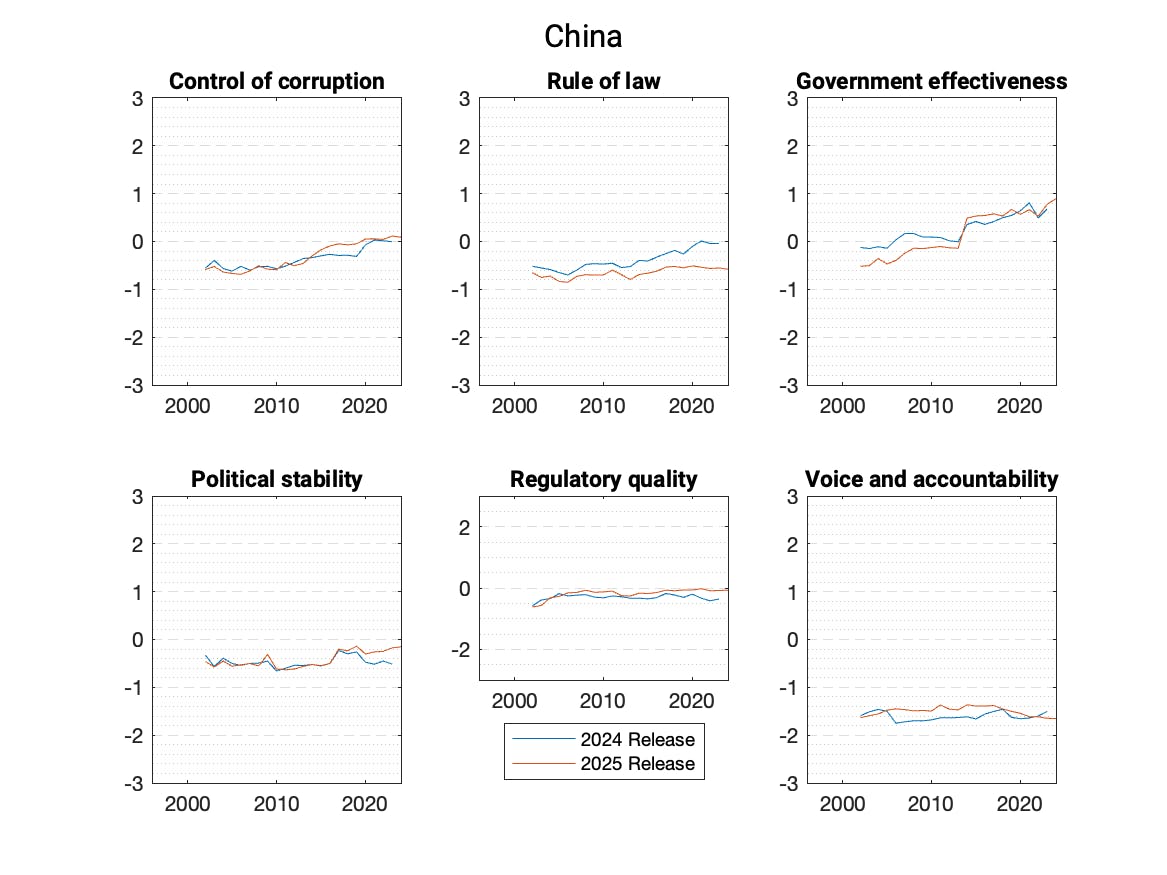
Zooming in on China illustrates the point more clearly. Under the new methodology, China’s Rule of Law score is lower than under the previous methodology, while other indicators—such as political stability and regulatory quality—show improvements. As a reminder, higher scores indicate stronger governance outcomes. In this case, China’s assessment for rule of law deteriorated due to the methodological revision. As a result, China’s sovereign credit risk or AML country risk classification weakens purely because of the methodological change.
Still the go-to source
Despite these shifts, the WGI remain the go-to source for governance-related metrics at CountryRisk.io. The methodology revision, while impactful, ultimately strengthens confidence in the dataset by demonstrating active maintenance and a willingness to improve. At the same time, it highlights the responsibility of data users to closely monitor such changes and understand their implications.
It will be particularly interesting to observe how the updated methodology feeds through to downstream users and analytics providers such as Fitch. For some countries, the revised view of governance may come as an unwelcome surprise.